Blog
Spanish Speaking Lawyer for Catastrophic Injury in New Mexico

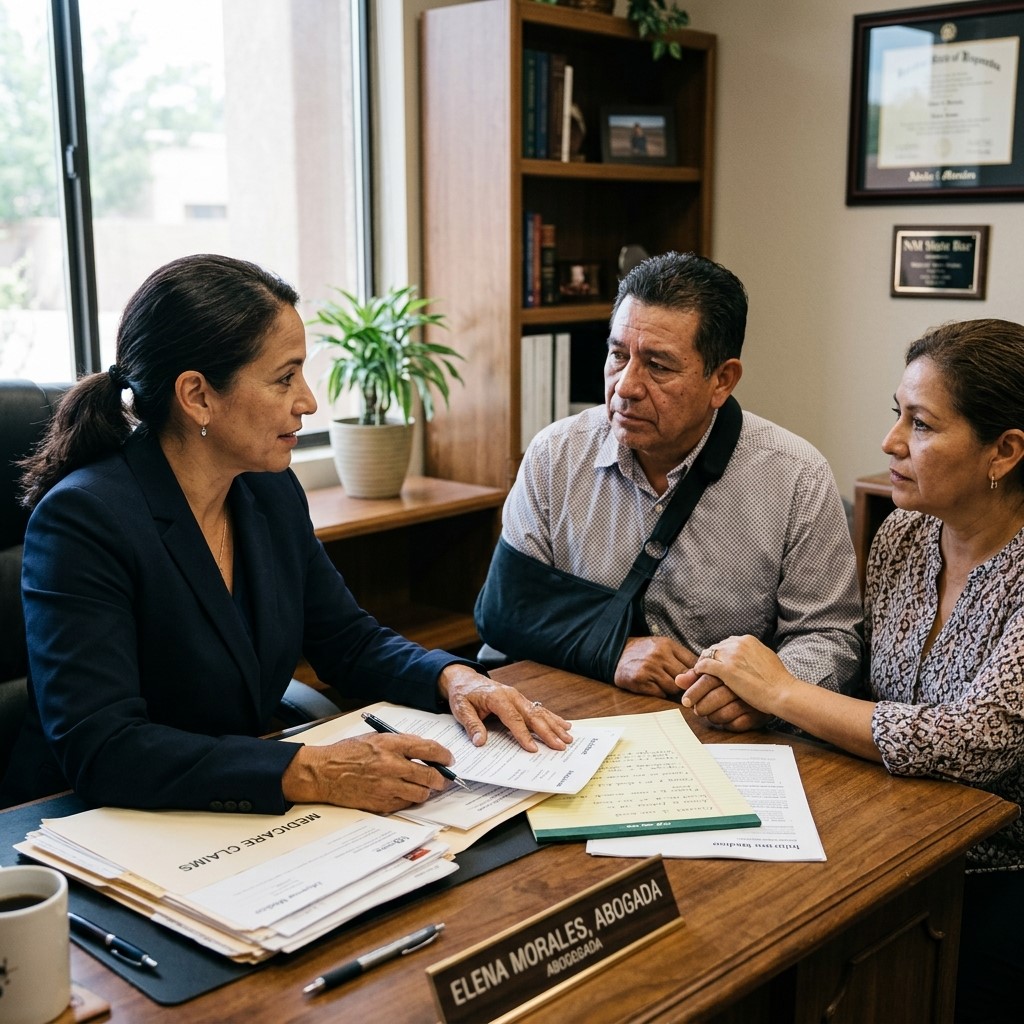
A Spanish speaking lawyer for catastrophic injury New Mexico cases helps injured victims and their families communicate clearly during one of the most stressful periods of their lives. Catastrophic injuries, such as traumatic brain injury, spinal cord damage, severe burns, or amputation, often require years of medical treatment and complex legal claims against insurance companies. Amador ESQ works with clients throughout New Mexico who need to explain their accident, their pain, and their financial losses in their preferred language, without a translation gap costing them accuracy or time. If you or a family member suffered a life-altering injury, speaking with a personal injury lawyer in Albuquerque who understands both the legal process and your language needs can make a meaningful difference in your case.
New Mexico has a large Spanish-speaking population, and many families feel more comfortable discussing sensitive medical and financial details in their native language. Insurance adjusters know that language barriers can lead to confusion, missed deadlines, or undervalued settlements. Having representation that removes that barrier levels the playing field from day one.
This guide covers what qualifies as a catastrophic injury under New Mexico law, how these claims differ from standard injury cases, and what to expect from the legal process.
Spanish Speaking Lawyer for Catastrophic Injury New Mexico Cases
New Mexico law does not define catastrophic injuries under a single statute. However, courts and insurance companies generally consider an injury catastrophic when it causes permanent impairment, requires long-term or lifelong care, or significantly limits a person’s ability to work. Common examples include traumatic brain injuries, spinal cord injuries resulting in paralysis, severe burns, amputations, and multiple complex fractures.
These cases require more than a standard injury claim. Medical experts, life care planners, and economists often need to document the full scope of a victim’s future needs, from ongoing therapy to home modifications. Your legal team must accurately document every detail, from the exact sequence of events during the accident to the specific limitations you now face at home.
Bilingual Representation and Building a Strong Claim
Clear communication becomes even more important in catastrophic injury cases because the stakes are so much higher than in a minor injury claim. Attorneys must accurately document every detail, including the exact sequence of events during the accident and the specific limitations the victim now faces at home. When a client can describe their situation in Spanish without worrying about a translation error, that description tends to be more complete and more useful to building the case.
Bilingual representation also matters when dealing with insurance adjusters, who may attempt to take a recorded statement shortly after an accident. Answering those questions in a second language while under stress increases the risk of making statements that insurers may later use against the claim. Having an attorney and legal team who speak the client’s language protects against that risk from the first phone call.
Types of Compensation Available in Catastrophic Injury Claims
Victims of catastrophic injuries in New Mexico can typically pursue both economic and non-economic damages. Economic damages cover measurable costs such as past and future medical expenses, lost wages, and reduced earning capacity. Non-economic damages address the less tangible impact of an injury, including pain and suffering, emotional distress, and loss of enjoyment of life.
New Mexico does not cap non-economic damages in most personal injury cases, though medical malpractice claims and claims against government entities have their own statutory limits. Because catastrophic injuries often require lifelong care, an attorney typically works with medical and financial experts to calculate the full future cost of treatment, rather than settling based on bills accumulated so far.
Workers injured on the job face a slightly different path. A workplace injury generally goes through New Mexico’s workers’ compensation system first, though a separate personal injury claim may still be possible if a third party, not the employer, caused the harm. Understanding which system applies, or whether both apply, is something a workers’ compensation attorney in Albuquerque can help sort out early in the process.
Common Causes of Catastrophic Injuries in New Mexico
Catastrophic injuries in New Mexico frequently result from motor vehicle accidents, workplace incidents, defective products, and unsafe property conditions. Commercial truck crashes are a particularly common source of severe injury given the size difference between trucks and passenger vehicles. Oilfield accidents and industrial workplace incidents also account for a significant share of catastrophic injury claims across the state.
Regardless of the cause, the legal process typically follows a similar path: establishing who was at fault, documenting the full extent of the injury, and calculating both current and future damages. New Mexico follows a comparative negligence rule, which allows victims to recover compensation even if they share some responsibility for the accident. However, the court may reduce their compensation in proportion to their percentage of fault.
Why Timing Matters After a Catastrophic Injury?
New Mexico generally requires personal injury claims to be filed within three years of the date of injury. Claims against government entities have shorter notice requirements and stricter procedural rules under the New Mexico Tort Claims Act, which means missing an early deadline can end a valid claim before it ever reaches a courtroom.
Acting quickly also protects evidence. Accident scenes change, witnesses forget important details over time, and businesses or property owners often delete surveillance footage within days or weeks unless someone specifically requests and preserves it. An attorney who moves quickly to send preservation letters and gather documentation gives a catastrophic injury claim its best chance at full value.
Families should also avoid signing any settlement offer from an insurance company before understanding the full scope of a loved one’s future medical needs. Early offers are often calculated before the true extent of a catastrophic injury is known, and accepting one can permanently close the door on further compensation.
What to Bring to Your First Consultation
Preparing for an initial meeting with a catastrophic injury attorney helps move a case forward faster. Bringing police reports, medical records, photographs of the accident scene, and any correspondence already received from an insurance company gives an attorney a clear starting point. If any conversations with an adjuster have already taken place, writing down what was said and when helps establish an accurate record before memories fade.
For Spanish-speaking clients, having a family member present who is comfortable in both languages can also help, though it should never be a substitute for a legal team that speaks the client’s language directly. Relying on a bilingual relative to translate complex medical or legal terms during a high-stakes conversation increases the risk of a miscommunication that affects the case.
It also helps to bring a list of questions. Common ones include how long the case is expected to take, what the attorney’s fee structure looks like, and how often updates will be provided throughout the process. A criminal defense attorney in Albuquerque handles a different type of case, but the same firm’s personal injury team can walk through these same questions specific to a catastrophic injury claim.
Long-Term Planning for Catastrophic Injury Victims
Beyond the legal claim itself, catastrophic injury victims and their families often need to plan for years, sometimes decades, of ongoing care. This can include home modifications for wheelchair accessibility, vehicle adaptations, in-home nursing assistance, and specialized equipment. A life care planner, often brought in by the legal team, projects these costs so that a settlement or verdict reflects the true financial impact of the injury rather than just the bills accumulated in the weeks after the accident.
Emotional and psychological support also plays a role in recovery, particularly for families adjusting to a new normal after a loved one’s traumatic brain or spinal cord injury. While an attorney cannot provide medical or psychological care directly, a well-prepared legal team often has referrals to specialists who understand both the medical and legal sides of a catastrophic injury recovery.
How Insurance Companies Approach High-Value Claims
Insurance companies dedicate more resources to disputing catastrophic injury claims than smaller cases, simply because the financial exposure is so much higher. Adjusters may argue that a portion of the injury pre-existed the accident, that treatment has been excessive, or that the victim will recover more fully than medical experts project. These arguments are designed to reduce a settlement, not necessarily because they reflect an accurate view of the injury.
A strong claim anticipates these tactics by building a well-documented record from the start. This includes consistent medical treatment, detailed documentation of pain and functional limitations, and expert opinions that clearly connect the accident to the long-term diagnosis. Families who try to negotiate directly with an insurance company without this level of preparation often accept far less than their claim is actually worth.
Frequently Asked Questions
What qualifies as a catastrophic injury in New Mexico? Catastrophic injuries typically include traumatic brain injuries, spinal cord injuries, severe burns, amputations, and other harm that causes permanent impairment or requires long-term care.
How long do I have to file a catastrophic injury claim in New Mexico?
You generally have three years from the date of your injury to file a personal injury claim. However, if a government entity is involved, you must meet much shorter notice deadlines.
Can I still recover compensation if I was partially at fault for the accident?
Yes. New Mexico follows a comparative negligence rule, which allows you to recover compensation even if you share some responsibility for the accident. However, the court will reduce your compensation based on your percentage of fault.
Do I need a bilingual attorney if my English is limited?
A bilingual legal team can help you communicate medical details, financial losses, and the full circumstances of your accident accurately. Clear communication can directly affect the value of your claim.
What is the difference between a personal injury claim and a workers’ compensation claim?
You file a personal injury claim against the party whose negligence caused your injuries. You file a workers’ compensation claim through your employer’s insurance, regardless of who caused the accident. In some workplace accidents, you may qualify to pursue both claims.
Final Thoughts
Catastrophic injuries can change your life in an instant, and language barriers should never make the legal process more difficult. Whether you suffered injuries in a car accident, a workplace incident, or because of a defective product, a Spanish-speaking legal team can accurately hear, document, and present every detail of your case. If you or someone you love is recovering from a life-altering injury in New Mexico, reach out to discuss your situation and learn what compensation may be available to support your recovery.
