
Blog
Steps to Take Immediately After a Workplace Injury to Protect Your Legal Rights

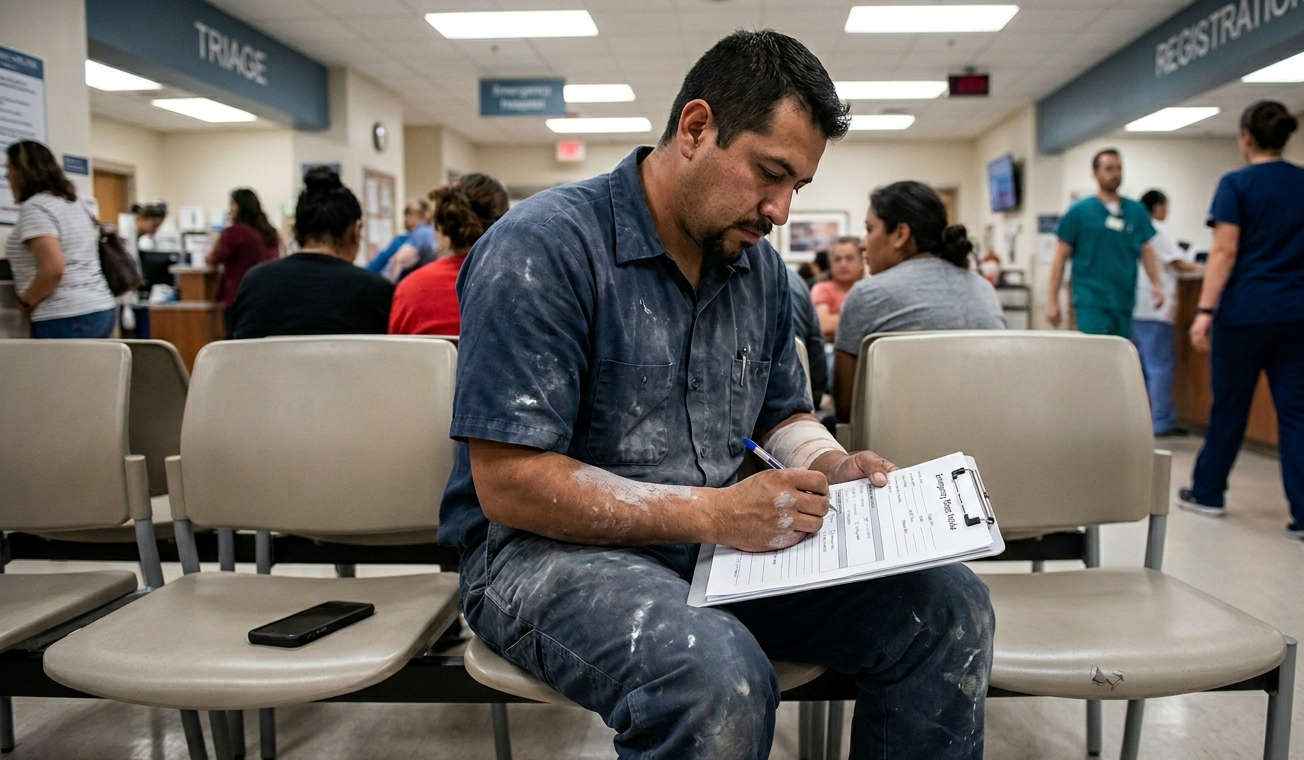
A sudden injury at work creates instant chaos for your health and your finances. You might feel pressured to “shake it off” or worry that reporting the incident will jeopardize your job. In New Mexico, the law provides a safety net, but you must trigger that net through specific, time-sensitive actions. Your employer and their insurance company already have a plan to minimize their liability. You need a plan to maximize your protection.
This guide outlines the essential steps to take immediately after a workplace injury to protect your legal rights. We cover everything from the initial report to securing medical evidence, ensuring you satisfy the New Mexico Workers’ Compensation Administration requirements.
Step 1: Seek Immediate Medical Attention
Your health is the absolute priority. If you suffer a severe injury, call 911 or head to the nearest emergency room in Albuquerque. Even if the injury seems minor, like a dull back ache or a repetitive strain, you must see a doctor.
Medical records serve as the foundation of your legal claim. They provide objective proof that the injury occurred and document the severity of your condition from day one. When you speak to a healthcare provider, tell them clearly that the injury happened while you were performing your job duties.
Step 2: Notify Your Employer in Writing
In New Mexico, you generally have 15 days to provide formal notice of an accident to your employer. While you might tell your supervisor verbally, the law requires written notice. Use the official “Notice of Accident” form (Form NC-1) if your employer provides it.
Keep a copy of this document for your records. This step is non-negotiable. Failure to provide timely notice can result in a total loss of your right to collect benefits.
The 15-Day Rule vs. The 1 Year Statute
Do not confuse the notice deadline with the filing deadline.
- 15 Days: To notify your employer.
- 1 Year: To file a formal claim if the insurance company denies your benefits.
Step 3: Document the Scene and Gather Evidence
The moments following an accident are critical for evidence collection. If you are physically able, or if you can ask a trusted coworker to help, perform the following:
- Take Photos: Capture the exact location, the equipment involved, and any safety hazards that contributed to the incident.
- Identify Witnesses: Note the names and contact information of anyone who saw the accident or the conditions leading up to it.
- Save Physical Evidence: If a specific tool or piece of clothing played a role, keep it in a safe place.
Step 4: Understand the “Selection of Health Care Provider
New Mexico has unique rules regarding which doctor you see. Your employer has the right to choose the doctor for the first 60 days, or they can allow you to choose. After 60 days, the party who did not choose the first doctor can switch to a different provider. Understanding this “doctor shuffle” is vital because the medical opinions of these providers will determine your disability rating and your ability to return to work.
Step 5: Track Your Financial Losses
Workers’ compensation should cover your medical bills and a portion of your lost wages. However, insurance companies often make mistakes when calculating your Average Weekly Wage (AWW).
- Keep Pay Stubs: Document your income from the weeks prior to the injury.
- Log Expenses: Track mileage to and from doctor appointments and any out-of-pocket costs for prescriptions or braces.
Comparison: Benefits Coverage in New Mexico
| Benefit Type | What It Covers | Limitations |
| Medical Benefits | 100% of reasonable and necessary care | Must use authorized providers |
| Total Disability (TTD) | 66.67% of your Average Weekly Wage | Subject to state maximum caps |
| Permanent Partial (PPD) | Compensation for lasting impairment | Based on a complex rating system |
Statistics of Workplace Safety
Data shows that early reporting leads to faster recovery times and higher claim approval rates. According to recent safety audits, workers who report injuries within the first 24 hours return to work 20% faster than those who wait [Source: New Mexico Department of Labor Statistics 2025]. Furthermore, represented workers typically secure settlements that are significantly higher than those who navigate the system alone [Source: National Academy of Social Insurance].
Insight from an Albuquerque Legal Veteran
We see one recurring mistake that destroys more claims than anything else: the “tough it out” mentality. Many workers in the construction and industrial sectors in Albuquerque wait weeks to report a strain, thinking it will go away. By the time they seek help, the insurance company argues the injury happened at home or over the weekend. Our experience shows that clear, immediate communication is your best defense against a denied claim. Having managed hundreds of workplace injuries in New Mexico, we know that the paper trail you start today determines the compensation you receive tomorrow.
FAQ:
Can my boss fire me for filing a workers’ comp claim?
No. New Mexico law prohibits employers from retaliating against you for exercising your right to file a claim. If you face a sudden demotion or termination after an injury, you may have an additional legal claim for wrongful discharge.
What if the accident was my fault?
Workers’ compensation is a “no-fault” system. You generally do not need to prove your employer was negligent, and your own simple negligence does not disqualify you. Only cases involving intentional self-harm or intoxication usually face denial based on fault.
Should I talk to the insurance adjuster?
Be cautious. Adjusters often look for reasons to minimize your claim. You should provide basic facts about the injury but avoid giving a recorded statement until you understand your workers’ compensation claim is denied risks or speak with an attorney.
How do I choose the best attorney for my case?
Look for a specialist who understands the local WCA judges and medical providers. You can review our guide on how to select the best workers’ compensation attorney in Albuquerque for specific criteria.
What happens if I have a pre-existing condition?
You can still recover benefits if the workplace accident “aggravated” or worsened your condition. This is a common area of dispute where medical evidence becomes critical.
Conclusion
The steps to take immediately after a workplace injury to protect your legal rights are the only things standing between you and a denied claim. By seeking medical care, providing written notice, and documenting the evidence, you build a fortress around your case.
As we move through 2026, the New Mexico Workers’ Compensation Administration continues to update its filing portals and procedural rules. Staying informed ensures you do not miss out on the best work-related attorneys in Albuquerque and the benefits you have earned through your hard work.
