
Blog
First-Time DWI in New Mexico | Consequences, Penalties and How to Minimize Damage

A first-time DWI charge in New Mexico can change how you drive, work, and manage your daily life. What seems like a single mistake on the road can quickly turn into a criminal case with long-term effects.
Amador Law Firm helps people across New Mexico deal with DWI charges by breaking down the legal process in simple terms and focusing on practical defense options.
Even a first offense carries serious penalties, but understanding the system early can help reduce the damage and protect your future.
First-Time DWI New Mexico Penalties and Legal Consequences
A first DWI offense in New Mexico is treated as a criminal matter, not just a traffic violation. That means it stays on your record and may affect more than just your driving privileges.
Penalties can include fines, probation, mandatory education programs, and, in some cases, jail time, depending on BAC levels and the circumstances of the arrest.
More information on defense options and legal representation can be found through New Mexico criminal defense attorney support, especially for first-time offenders facing uncertainty in court.
The court system looks at several factors when deciding penalties. These include whether the driver caused an accident, refused testing, or had a very high BAC.
Even before a conviction, administrative penalties from the Motor Vehicle Division may begin affecting your license status.
First-time offenders often assume they will receive minimal punishment, but New Mexico law allows for strict sentencing even on a first charge.
Early legal intervention can sometimes reduce penalties or open alternative sentencing options, depending on the case strength.
The legal process begins immediately after arrest, and decisions made early can influence the entire outcome of the case.
Missing deadlines or failing to respond properly can limit defense opportunities later in court.
First Offense DWI Jail Time, Testing Laws, and Defense Options
Jail time for a first DWI in New Mexico is possible but not guaranteed. Judges evaluate each case based on evidence, behavior, and prior driving record.
Minimum penalties usually include fines, probation, and mandatory participation in alcohol education or treatment programs approved by the court.
One of the most important laws in these cases is the implied consent rule. This law requires drivers to submit to breath or blood testing when arrested for suspected DWI.
Refusing a test can result in automatic license suspension and additional penalties, even without a conviction.
In many first-time cases, courts may require installation of an ignition interlock device, which prevents a vehicle from starting if alcohol is detected on the driver’s breath.
Some drivers may qualify for diversion or treatment-based programs depending on eligibility and court approval.
These programs focus on rehabilitation instead of punishment, but still require strict compliance.
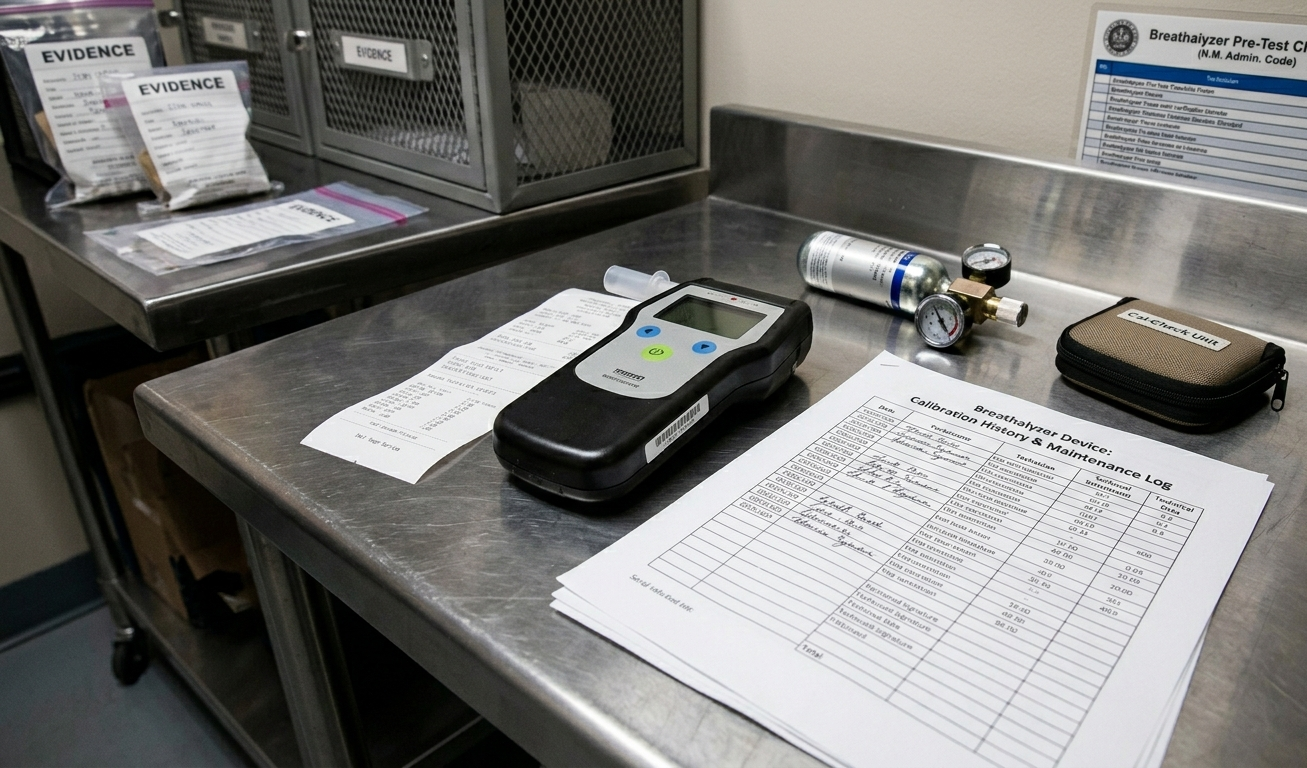
Defense strategies often examine whether the traffic stop was legal, whether the testing equipment was accurate, or whether procedures were properly followed by law enforcement.
Even small errors in procedure can sometimes affect the outcome of a case.
New Mexico law also allows certain alternatives to jail, depending on the case circumstances and judicial discretion. These alternatives may include probation or structured treatment programs.
Driving Under Influence Penalties, Insurance Impact, and License Issues
Driving under the influence penalties in New Mexico extend far beyond court sentencing. One of the most overlooked consequences is insurance rate increases.
After a DWI conviction, many drivers face significantly higher premiums, and some insurance companies may even cancel coverage.
More legal guidance can be found here DWI defense and legal help in New Mexico.
A first-time offense can also lead to a license suspension that affects commuting, work travel, and daily responsibilities.
In some situations, a hardship or restricted license may be available. This allows limited driving for essential needs such as work or school.
However, eligibility depends on case details and compliance with court requirements. A DWI conviction also appears on background checks, which can affect job opportunities and professional licensing in certain fields.
Employers often view DWI convictions seriously, even if it is a first offense. Sentencing alternatives may include probation, community service, or alcohol treatment programs instead of incarceration.
The outcome of a first DWI case depends heavily on evidence strength and how the defense is presented. New Mexico courts review each case individually, but the consequences of a conviction can still be long-lasting.
Judges consider public safety, prior record, and the details surrounding the arrest when making decisions. Many drivers do not realize how quickly a DWI case moves from arrest to formal prosecution. Each stage has strict timelines that must be followed carefully.
Legal Process, Case Outcomes, and Long-Term Effects
A first DWI case begins immediately after arrest and continues through multiple stages, including arraignment, hearings, and potential negotiations.
Each stage can impact the final outcome depending on how it is handled.
More insight into sentencing rules can be found here: the updated New Mexico DUI penalty guide. First-time offenders often feel overwhelmed by the legal process, especially when dealing with court deadlines and administrative hearings at the same time. Case outcomes vary widely. Some cases result in reduced charges, while others proceed to full sentencing. Factors such as BAC level, police conduct, and evidence quality play a major role in determining results. A strong legal response early in the case can sometimes reduce penalties or lead to alternative outcomes.
Many people underestimate how much a DWI can affect long-term opportunities beyond the courtroom.
It may influence employment, insurance, and even housing applications in some cases.
How First-Time Offenders Can Reduce DWI Impact
Reducing the impact of a first DWI often depends on how quickly action is taken after arrest. Legal review of the stop, testing procedures, and evidence can sometimes uncover weaknesses in the case. In some cases, negotiating alternative sentencing or diversion programs may help reduce long-term consequences. Completing court-ordered programs and complying with all requirements is essential for minimizing future issues. The earlier the case is addressed, the more options may be available for defense strategy.
Real Impact of a First DWI in New Mexico
A first DWI conviction affects more than just driving privileges. It can influence employment opportunities, insurance costs, and even personal reputation.
Even when jail is avoided, financial penalties and long-term restrictions can still create major challenges. For many people, the hardest part is not the arrest itself but the long-term consequences that follow. Understanding the law and responding quickly is key to reducing overall damage.
Conclusion
A first-time DWI in New Mexico carries serious consequences, but the outcome is not always fixed. Penalties may include fines, license suspension, probation, or jail, depending on the case details. However, legal defenses, procedural challenges, and sentencing alternatives may help reduce the impact of a conviction. Taking early action is one of the most important steps in protecting your record and future. Understanding your rights and the legal process can make a major difference in how your case ends.
FAQ
1. What are the penalties for a first DWI in New Mexico?
They may include fines, probation, license suspension, and alcohol education programs.
2. Can a first DWI lead to jail time?
Yes, but it depends on BAC level, circumstances, and court decisions.
3. How long does a DWI stay on your record in New Mexico?
A conviction can remain for many years and impact insurance and employment.
4. Can I get a restricted license after a DWI?
Yes, in some cases, a hardship license may be available for essential driving.
5. What happens if I refuse a breath test?
Refusal can lead to automatic license suspension under implied consent laws.
6. Can a first DWI be reduced or dismissed?
Yes, depending on the evidence strength and whether legal errors occurred in the case.
