
Blog
Field Sobriety Tests in Albuquerque DWI Cases: Are They Mandatory?

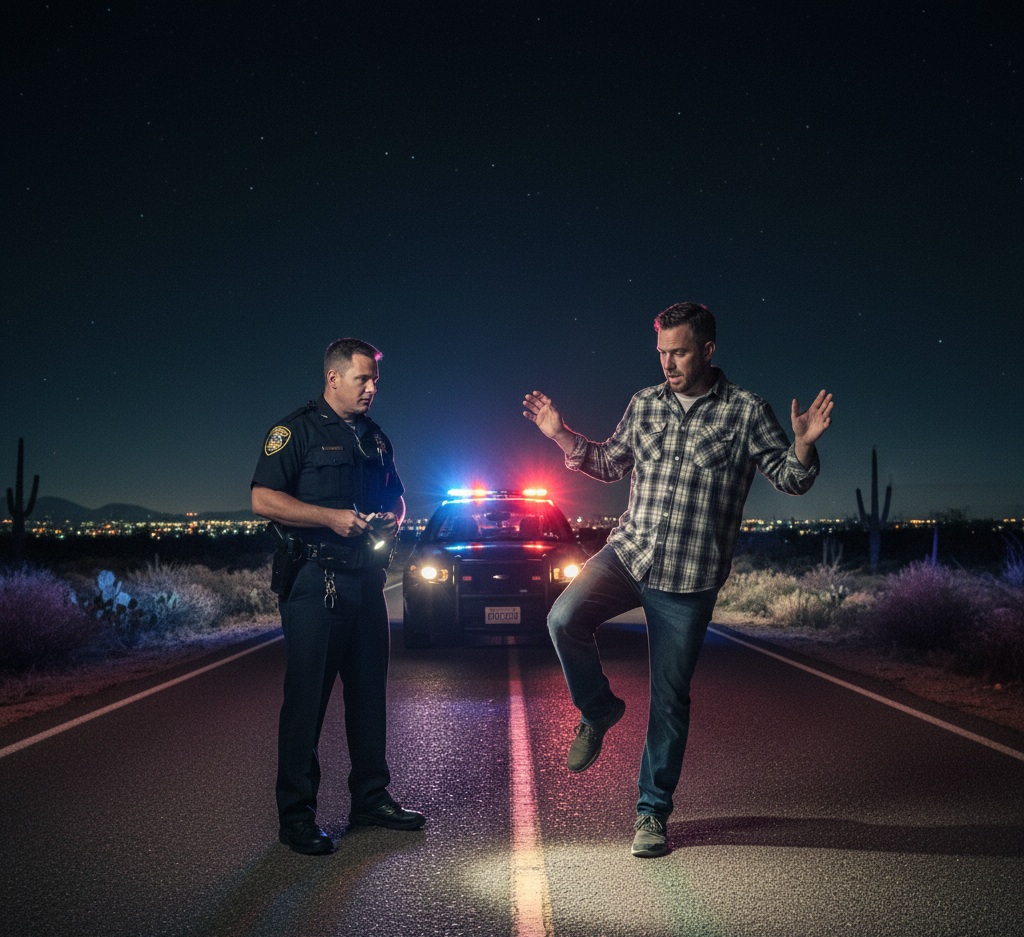
Standardized Field Sobriety Tests (SFSTs) are completely voluntary under New Mexico law, meaning drivers in Albuquerque have a legal right to politely refuse roadside physical exercises without facing automatic driver’s license suspension. While law enforcement officers in Bernalillo County routinely use these physical coordination evaluations to establish probable cause for a DWI arrest, they cannot legally compel you to perform them.
When an Albuquerque Police Department (APD) officer or New Mexico State Police trooper requests that you step out of your vehicle, the decisions you make on the asphalt directly shape your defense strategy. Under the New Mexico Implied Consent Act (NMSA Section 66-8-107), it is vital to distinguish between voluntary roadside physical tests and mandatory chemical testing after an arrest. This authoritative 2026 legal guide breaks down your constitutional rights, the mechanics of roadside testing, and how an SFST refusal affects a New Mexico criminal defense case.
What Are Field Sobriety Tests?
Field Sobriety Tests (FSTs) are physical and cognitive exercises officers use to look for signs of impairment. In Albuquerque, the most common standardized tests include:
- Horizontal Gaze Nystagmus (HGN): following a pen or light with your eyes
- Walk-and-Turn: heel-to-toe steps in a straight line
- One-Leg Stand: balancing for a set amount of time
Officers often pair these tests with questions and observations-your posture, speech, coordination, and even your breathing. What many drivers don’t realize is that these tests are not science, and they are not as objective as they sound.
Are Field Sobriety Tests Mandatory in New Mexico?
No. Field sobriety tests are not legally required in New Mexico. You have the right to politely refuse them.
These tests depend heavily on officer judgment, and even sober drivers can “fail” due to:
- Nerves
- Uneven pavement
- Medical conditions
- Age
- Fatigue
- Poor footwear
Your refusal cannot be punished with license suspension, and it cannot put you in jail. The only mandatory test under New Mexico’s implied consent laws is chemical testing (breath or blood), not roadside balancing or coordination drills.
If an officer pressures you, you can calmly say:
“I do not consent to field sobriety tests.”
This is lawful, and it protects you from being scored unfairly.
Why Officers Want You to Take the Tests
Even though FSTs are optional, police strongly encourage them because they produce evidence the state can use against you.
In many Albuquerque cases, the test results become the backbone of the prosecution’s argument. Especially when chemical results are borderline or unavailable.
A single misstep on the Walk-and-Turn can be written as “impaired.” Looking away during the HGN test becomes “noncompliant.” Raising your arms for balance is interpreted as “loss of coordination.”
Small, innocent movements can snowball into major legal problems.
What Happens if You Refuse Field Sobriety Tests?
Refusing FSTs typically makes the state’s case harder to prove. Without physical test results, officers must rely on more subjective observations. However, refusal does not guarantee the officer will let you go. You may still be arrested if the officer believes they have other signs of impairment.
This is where early legal intervention changes everything. An experienced DWI attorney can:
- Challenge the legality of the stop
- Attack officer interpretation of “observed impairment”
- Suppress improperly collected evidence
- Review body-cam footage for inconsistencies
- Build a defense before the prosecution shapes the narrative
If you need guidance on DWI defenses, you can review resources on Criminal Defense Attorney in Albuquerque and Defense Attorney in New Mexico, which explain how these cases are built and challenged.
How Officers Use FST Results in Court
Field sobriety test results often appear in:
- The police report
- Officer testimony
- Video evidence
- Cross-examinations
Prosecutors highlight these tests heavily. Without strong defense, juries can assume the tests are accurate indicators of intoxication. Even though they are not.
This is why many people seek legal help from a Criminal Attorney Albuquerque, especially when technical challenges or video analysis may dismantle the officer’s conclusions.
What You Should Do During a DWI Stop in Albuquerque
If you’re pulled over in Albuquerque on suspicion of DWI, your approach matters. Here are the safest, smartest steps:
- Stay polite and calm: Hostility escalates situations quickly.
- Provide license, insurance, and registration when asked: These are required by law.
- Decline field sobriety tests: Say it calmly, and do not argue.
- Avoid volunteering information: You must identify yourself, not explain your night.
- Do not lie: A simple “I prefer not to answer questions” protects you.
- Ask for an attorney immediately after arrest: Early representation prevents early mistakes.
Why Legal Experience Matters in DWI Cases
New Mexico DWI laws are strict, and officers rarely overlook minor details. But a DWI/DUI charge is not a conviction.
The complexity of:
- Roadside procedures
- Video analysis
- Police training requirements
- Probable cause standards
- Chemical test protocols
This means that a knowledgeable defense lawyer can often identify errors most people miss. Those errors can reduce charges, suppress evidence, or even dismiss the case entirely.
FAQ: Field Sobriety Tests in New Mexico
Do I have to take field sobriety tests?
No. They are voluntary, and you may decline them.
Can I still be arrested if I refuse?
Yes, refusal doesn’t stop an arrest, but it limits the evidence against you.
Can refusal hurt my case in court?
Not typically. Many judges understand these tests are unreliable.
Is the breath test mandatory?
Chemical tests fall under implied consent. Refusing them can lead to license consequences-unlike refusing FSTs.
Can a lawyer challenge the officer’s FST results?
Absolutely. Body-cam footage, roadside conditions, medical issues, and training errors can all undermine the test.
Final Thoughts
Field sobriety tests are not required in New Mexico, and understanding this single fact can dramatically shift the outcome of a DWI case. If you’re facing DWI charges in Albuquerque and you want someone who knows how to confront field sobriety evidence, protect your rights, and safeguard your future, legal help is available.
You can learn more or request immediate support through:
If you’re ready to protect your record and your future, you can contact us today for a confidential case evaluation.
