
Blog
Prosecution Strategies in Domestic Violence Cases

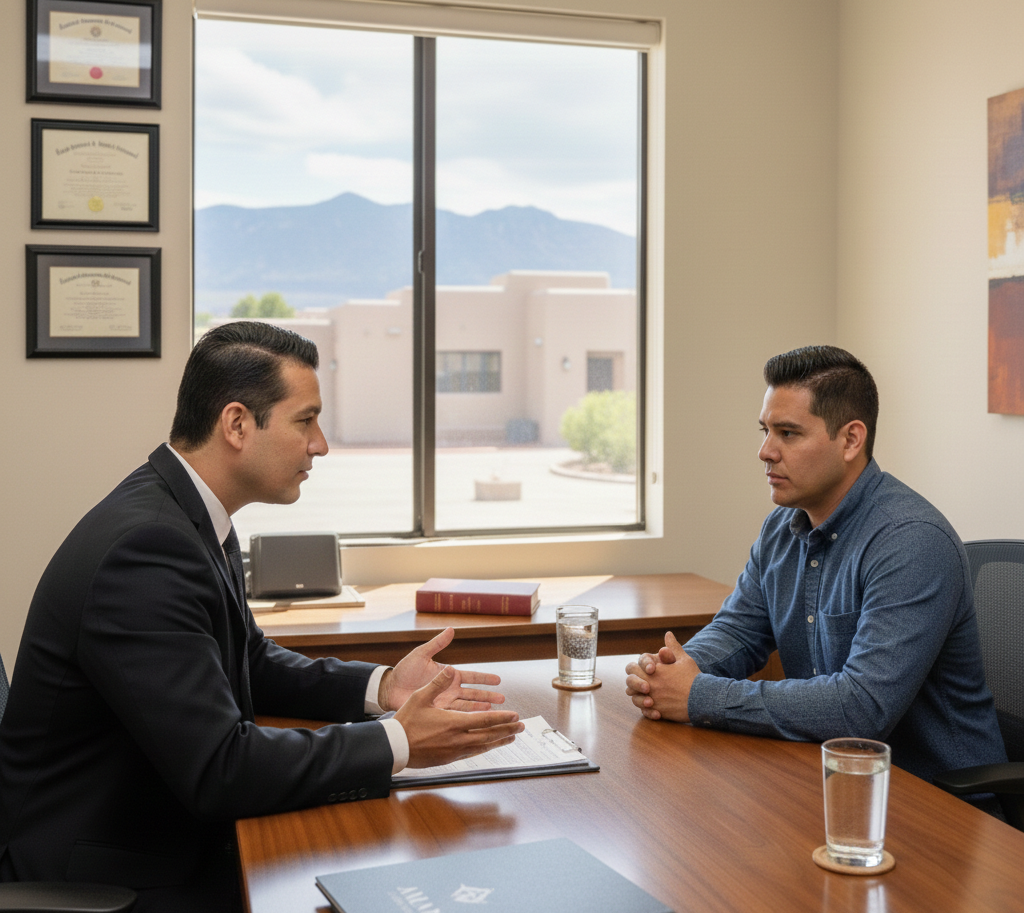
Navigating a domestic violence charge in Albuquerque requires a deep understanding of how the State builds its case. Prosecutors in New Mexico utilize specific tactics designed to secure convictions even when victims are reluctant to testify. Understanding these methods is the first step toward building a robust legal defense.
Amador Law Firm works tirelessly to protect individuals facing these aggressive legal maneuvers. Our team analyzes every piece of evidence to identify where the prosecution’s narrative fails to meet the legal burden of proof. We ensure that your rights remain a priority throughout the complex judicial process in Bernalillo County.
Understanding Prosecution Strategies in Domestic Violence Cases
New Mexico prosecutors often employ a “victimless” or evidence-based prosecution model. This means they can pursue charges even if the alleged victim signs an affidavit of non-prosecution or asks to drop the case. They rely on secondary evidence like 911 recordings, body-worn camera footage, and medical records to prove their claims.
The best car accident law firms in New Mexico for Spanish-speaking clients often transition their advocacy skills to these cases because communication is critical. Prosecutors will look for any common criminal charges in Albuquerque that they can “pile on” to the original battery charge. This strategy aims to increase the pressure on a defendant to accept a plea bargain.
Another frequent tactic is the immediate filing of a domestic violence order of protection. These orders serve a dual purpose: they provide immediate safety for the petitioner and strategically separate the parties. By preventing communication, prosecutors make it harder for the defense to investigate the context of the incident.
Forfeiture by Wrongdoing and Prosecution Strategies
One of the most potent legal tools used by the State is the doctrine of forfeiture by wrongdoing. If a prosecutor can show that a defendant intentionally prevented a witness from testifying, the defendant loses their Sixth Amendment right to confront that witness. This allows the state to introduce out-of-court statements that would otherwise be considered inadmissible hearsay.
To counter this, it is essential to have a lawyer who understands why extensive criminal defense experience is good for your case. A seasoned attorney can challenge the State’s assertions of witness tampering. They work to prove that any absence of a witness was not caused by the defendant’s actions or intent.
Evidence-based strategies also include the use of expert witnesses. Prosecutors may bring in domestic violence experts to explain “recantation” or “cycle of violence” to a jury. This is intended to explain why a victim might change their story or refuse to cooperate, effectively rehabilitating the state’s witness before they even take the stand.
Gathering Critical Evidence for the Defense
While the State builds its case, your defense must be equally active. This involves securing initial consultation with a lawyer to begin the process of evidence collection. We look for inconsistencies in police reports and interview witnesses who may have a different perspective on the event.
- Digital Forensics: We examine text messages, social media posts, and emails to establish a timeline of the relationship.
- Medical Review: Analyzing injury reports to determine if the physical evidence matches the allegations made by the state.
- Alibi Verification: Using GPS data, receipts, or surveillance footage to prove a defendant’s location during the alleged incident.
- Credibility Attacks: Investigating the motives of the accuser, such as ongoing custody battles or property disputes.
Pre-Prosecution Diversion and Alternative Outcomes
In many Albuquerque cases, the goal is to avoid a permanent criminal record through Pre-Prosecution Diversion (PPD). This program allows defendants to complete counseling or treatment in exchange for a dismissal of charges. A lawyer helps demonstrate that a client is a suitable candidate by highlighting their community ties and lack of prior history.
However, entry into these programs often requires a recommendation from the prosecutor. Understanding criminal defense attorney services in New Mexico is vital here, as your lawyer must negotiate effectively with the District Attorney’s office. They present a compelling argument that rehabilitation is more productive than incarceration.
The Role of Law Enforcement Testimony
Police officers are often the most influential witnesses in domestic violence trials. Prosecutors rely on their observations of “excited utterances” made at the scene. These are statements made during the heat of the moment that are often exempt from the usual hearsay rules.
Defense attorneys must meticulously cross-examine these officers. They look for failures in following standard protocols, such as the failure to identify the primary aggressor. If the police did not conduct a thorough investigation, the foundation of the prosecution’s case begins to crumble.
Defending Your Future and Reputation
A domestic violence conviction carries long-lasting consequences beyond jail time. It can result in a permanent loss of firearm rights and severe limitations on child custody. Because of these stakes, the State’s strategies must be met with an equally aggressive and sophisticated defense.
Whether you are facing a misdemeanor battery charge or a felony assault, the legal path is fraught with technicalities. You deserve a team that speaks your language and understands the local court system. Taking the right steps now can prevent a single incident from defining the rest of your life.
If you are currently under investigation, do not wait for charges to be filed. Contact the Amador Law Firm to discuss your situation and begin building a strategy that protects your freedom. We are ready to stand by you and ensure that your side of the story is heard clearly in court.
FAQ:
Can the victim drop the charges in New Mexico?
No. In New Mexico, only the prosecutor has the authority to drop or dismiss criminal charges. While a victim’s request is considered, the State often proceeds if they believe they have enough independent evidence.
What is an “evidence-based” prosecution?
This is a strategy where the prosecutor tries the case using physical evidence, 911 calls, and police testimony instead of relying solely on the victim’s live testimony in court.
Will I lose my right to own a gun?
Yes. Federal law (the Lautenberg Amendment) and New Mexico state law generally prohibit anyone convicted of a domestic violence misdemeanor or felony from possessing firearms or ammunition.
How does a “no-contact” order work?
A no-contact order is usually a condition of your release from jail. It prohibits any form of communication with the alleged victim—including through third parties or social media. Violating this can lead to immediate re-arrest.
Is domestic violence a felony or a misdemeanor?
It depends on the severity of the act. Simple battery on a household member is typically a misdemeanor, while aggravated battery or strangulation can be charged as a high-level felony.
